- 5800 High Street West, Portsmouth, VA 23703
- Email Us
- (757) 686-3716
- Mon-Thurs: 7AM-6:30PM, Fri: 7AM-2:30PM

 Acupuncture is a proven component of Eastern medicine that works by balancing the flow of energy, or Qi, through pathways in the body known as meridians. Disruptions in this flow may contribute to pain, dysfunction, and other conditions/organ-related conditions. Our physicians assess energy flow along the meridians and strategically select acupuncture points to restore balance, stimulate natural healing responses, and improve overall health. Each treatment is customized to the patient’s specific condition, whether the goal is pain management, stress reduction, or enhanced systemic wellness.
1. What is acupuncture?
According to Asian medical theory, acupuncture is a means of adjusting the body’s life energy or “qi” (pronounced “chee”) through the insertion of very thin needles into carefully selected acupuncture points along the meridians of the body. The needles are then manipulated by gentle twirling and left in place for approximately 15 minutes. These motions stimulate the flow of energy and remove blockages so that the qi can be dispersed and regulated. When the qi is flowing properly throughout the body, the balance is restored and improved health results, therefore alleviating certain signs and symptoms affecting the patient.
2. How does it work?
There are a couple of different ways to explain how acupuncture works.
3. Do I have to believe in it for it to work?
While having a positive state of mind helps with any type of treatment, conventional or otherwise, it is not necessary to “believe” in acupuncture for it to work. This is evidenced not only through clinical study in “non-believers”, but by the fact that animals and small children who cannot be instructed to “believe” receive relief through the use of acupuncture. Many acupuncture studies involve the use of “sham” or fake acupuncture points in order to compare patient response to traditional acupuncture points.
4. Does it hurt?
The sensation of receiving an acupuncture treatment can rarely be described as painful. That is not to say that it is devoid of sensation. But, generally the feeling is more of a tingling or a brief pinching sensation. Acupuncture needles are very thin and only penetrate the surface of the skin. Following treatment it is common for the patient to feel a sense of relaxation, and/or exhilaration.
5. Is it safe?
This is a very common question among those who have never experienced an acupuncture treatment. The answer relies on the skill of the practitioner. If he or she is not properly trained, it is certainly possible to inflict injury with an acupuncture needle. However, when practiced by a licensed, properly trained acupuncturist, it is extremely safe. The importance of seeking an appropriately trained practitioner cannot be overstated.
There are a few situations where the practitioner may use extra caution. These are the most common: the most common:
7. Are the needles sterile?
Before undergoing any acupuncture treatment, ask the practitioner about their sterilization procedures. All registered acupuncturists are required by law to use sterile, single use needles which must be properly disposed into a sharps container. It is in the practitioner’s best interest, as much as in the patient’s, to use extreme caution.
8. What conditions does acupuncture treat?
In an official report, “Acupuncture: Review and Analysis of Reports on Controlled Clinical Trials,” The World Health Organization (WHO) stated that the following symptoms, diseases and conditions have been shown through controlled trials to be treated effected by acupuncture: low back pain, neck pain, sciatica, tendonitis of the elbow, arthritis of the shoulder, sprains, facial pain, headache, dental pain, TMJ dysfunction, rheumatoid arthritis, induction of labor, correction of malposition of the fetus, morning sickness, nausea and vomiting, post-operative pain, stroke, hypertension, hypotension, renal colic, leucopenia, adverse reactions to chemotherapy or radiation, allergies, biliary colic, depression, dysentery, dysmenorrhea, gastritis and peptic ulcer.
Other common uses for acupuncture include: sinus congestion, smoking cessation, insomnia, anxiety, Bell’s Palsy, eczema, psoriasis, tinnitus or ringing of the ears, vertigo or dizziness and many other conditions. Please ask if your condition can be treated with acupuncture.
9. Is there any research on acupuncture?
There is a growing body of research to validate the use of acupuncture for a wide variety of conditions. Please seewww.acupuncture.com. Select the “Research” tab and view the list of headings.
10. What should I expect on my first visit?
Upon the patient’s first visit, the practitioner will record biographical information about the patient, and will then proceed with a physical examination to determine the diagnosis to be treated. Once the diagnosis is complete, the practitioner will discuss the treatment plan with the patient, and the patient will have an opportunity to ask questions, such as how many needles will be used, at which acupuncture points, possible duration of treatment, etc.
11. How many treatments will I need?
The total number of treatments required to effect change in a condition varies dependent upon the disease, and its severity, the duration of the illness, the frequency of the treatments and the patient’s response to treatment. Consultation with an experienced practitioner will offer the best guide for the length of treatment. However, as a rough guideline, the maximum benefit is usually obtained after approximately 10 treatments over a 6-8 week interval. Monthly visits thereafter may be recommended for patients with certain chronic conditions.
12. Are there any side effects or complications?
As previously mentioned, acupuncture is an extremely safe method of treatment, and as such, side effects and complications are extremely rare when treated by an experienced, licensed practitioner. However, a small number of patients do have reactions to the procedure which may include nausea, lightheadedness, minor bleeding and bruising. As in any matter pertaining to health, any concerns should be discussed with the practitioner prior to treatment and following treatment to ensure maximum effectiveness.
13. Can children receive acupuncture?
Yes, children can receive acupuncture and often have excellent results with this treatment provided that they are comfortable with the use of acupuncture needles.
14. Does insurance cover acupuncture?
Some insurance covers acupuncture and our office staff is happy to verify your insurance benefits for anyone who would like more information. Sometimes coverage depends upon which condition is being treated.
15. Who can perform acupuncture in the state of VA?
Traditional acupuncturists or (Licensed Acupuncturists, L.Ac.) typically have no formal Western medical training, but have formal training in acupuncture. Certain types of physicians can also pursue a course of training to be able to perform acupuncture. Medical doctors, chiropractic physicians, podiatrists and osteopathic physicians who have completed this training and testing, according to standards set by the Virginia Board of Medicine, become “Qualified to Practice Acupuncture” by the Virginia Board of Medicine. Dr. Sara Miller and Dr. Adam Keefe are Qualified by the Virginia Board of Medicine to Practice Acupuncture. For more information about a particular practitioner, see https://dhp.virginia.gov/medicine/
16. Which points will be used during my treatment?
Acupuncture points are selected two different ways. First, based upon symptoms and the diagnosis, Dr. Miller or Dr. Keefe will select points known to benefit the condition. Second, a diagnostic test, called Electro-Meridian Imaging or EMI, will be performed. This EMI is said to test the energy level of each of the 12 major acupuncture meridians. A small probe, which feels like a damp Q-tip, is placed on various acupuncture points on the hands and feet and the entire test takes about 2-3 minutes. If any of the meridians show an abnormality, a point will be used to normalize that meridian. Each patient is given a print out from his or her EMI testing and the results are explained.
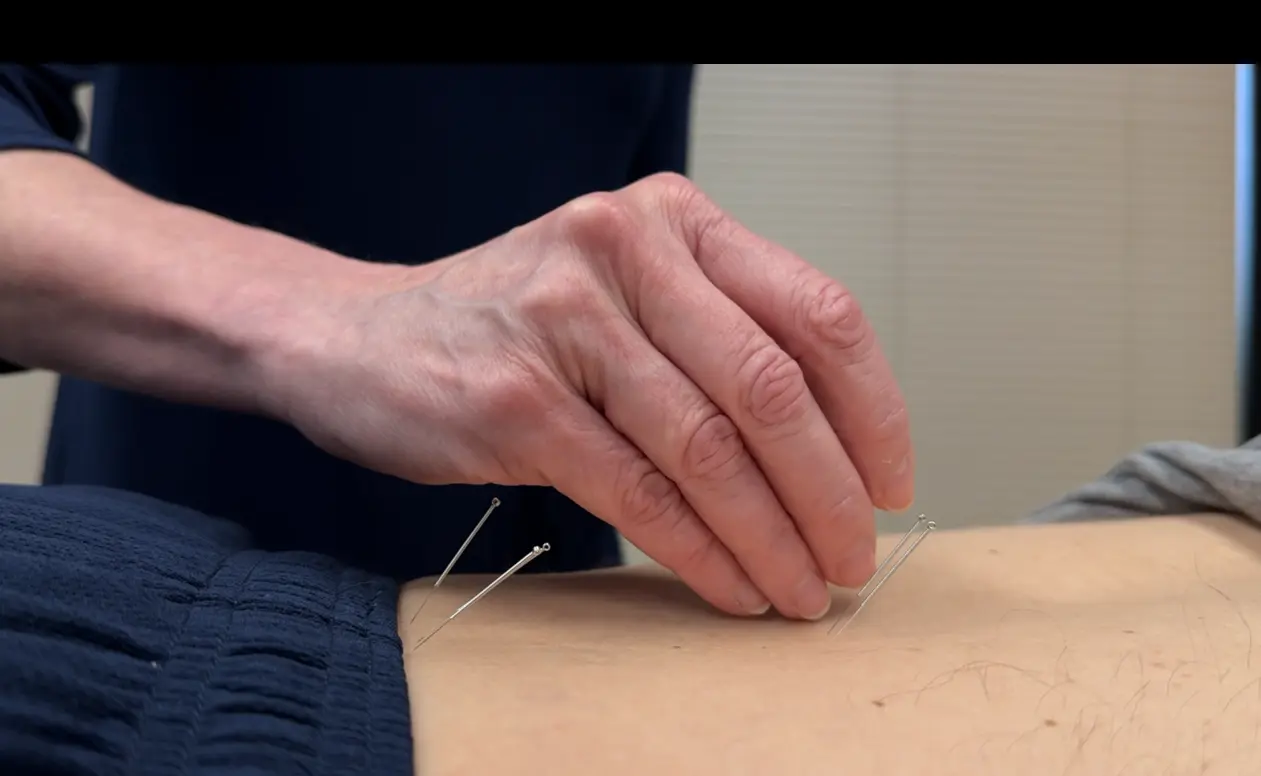
Acupuncture is a proven component of Eastern medicine that works by balancing the flow of energy, or Qi, through pathways in the body known as meridians.
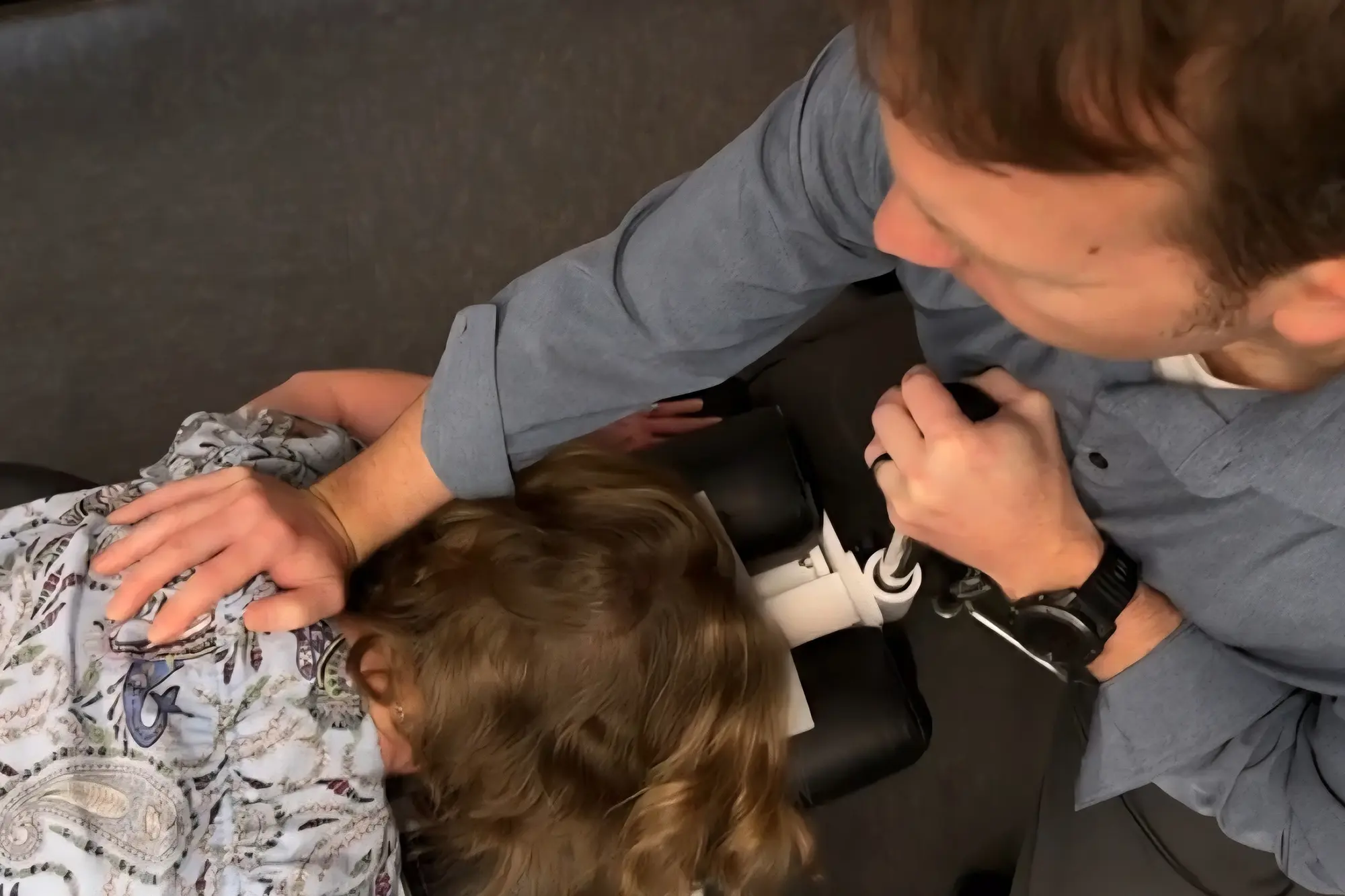
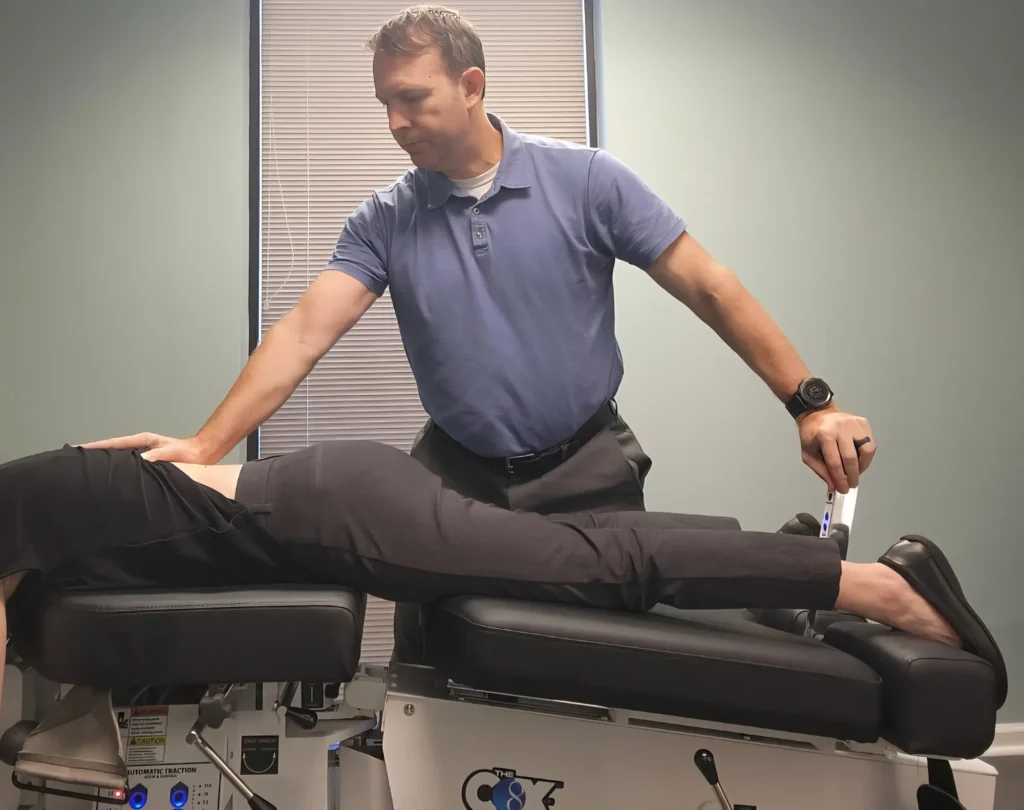
Chiropractic physicians are experts in diagnosing and treating musculoskeletal conditions that arise from the spine, joints, discs, and muscles.
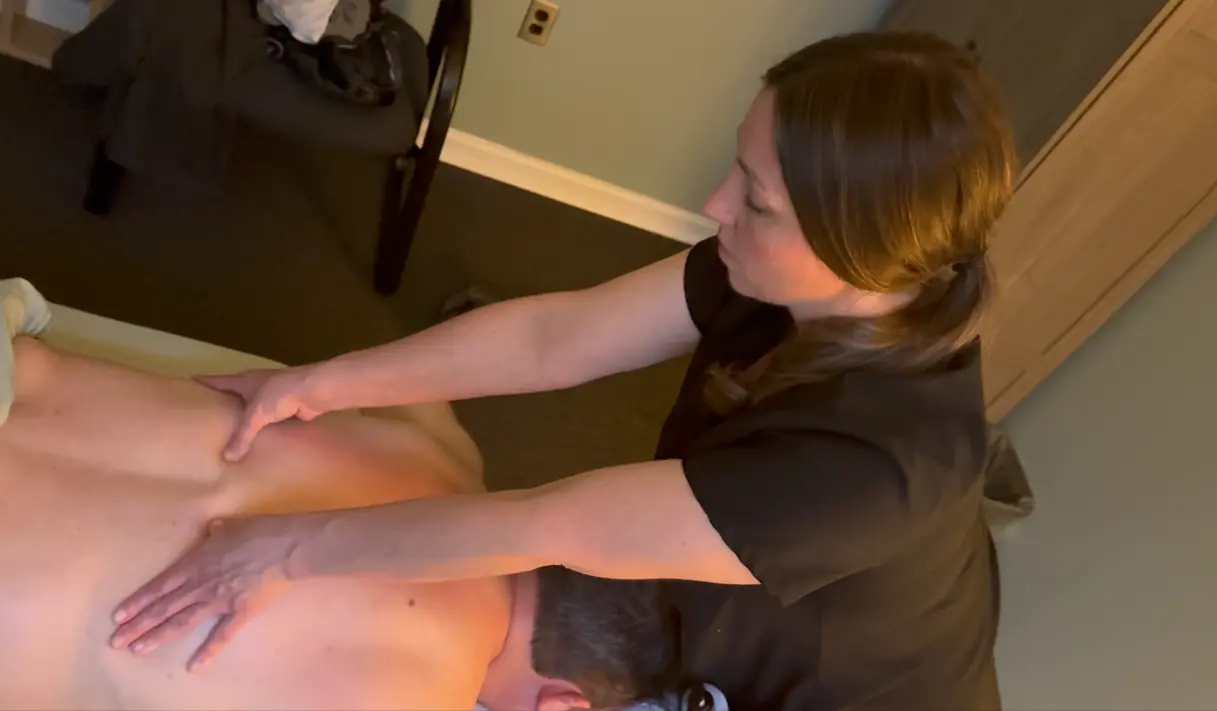
Massage therapy involves the therapeutic treatment of soft tissues through targeted manual techniques that apply pressure and manipulation to muscles, tendons, and connective tissue.
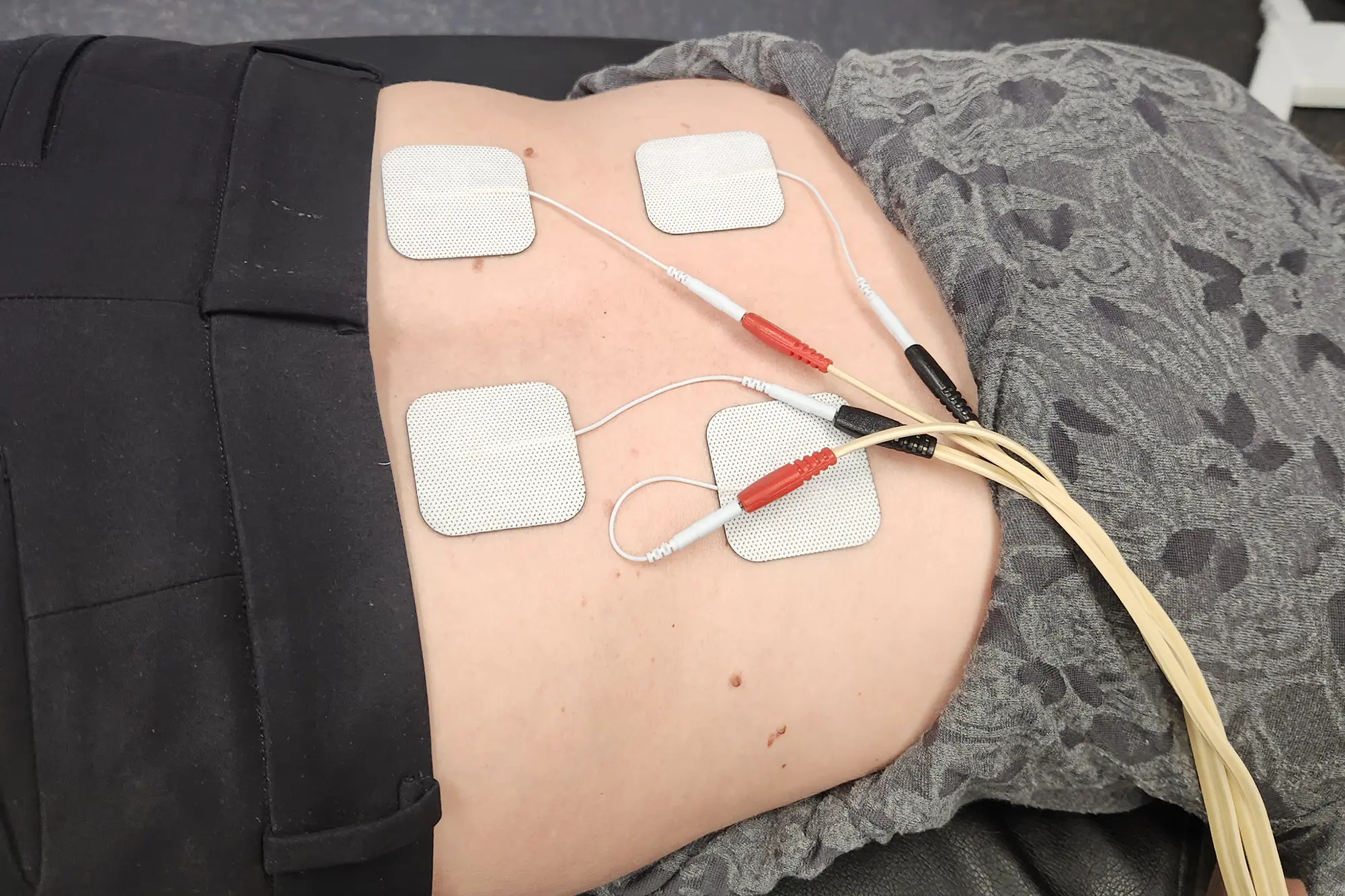
Scrambler Therapy is a cutting-edge, FDA-cleared technology designed for the treatment of chronic and neuropathic pain.
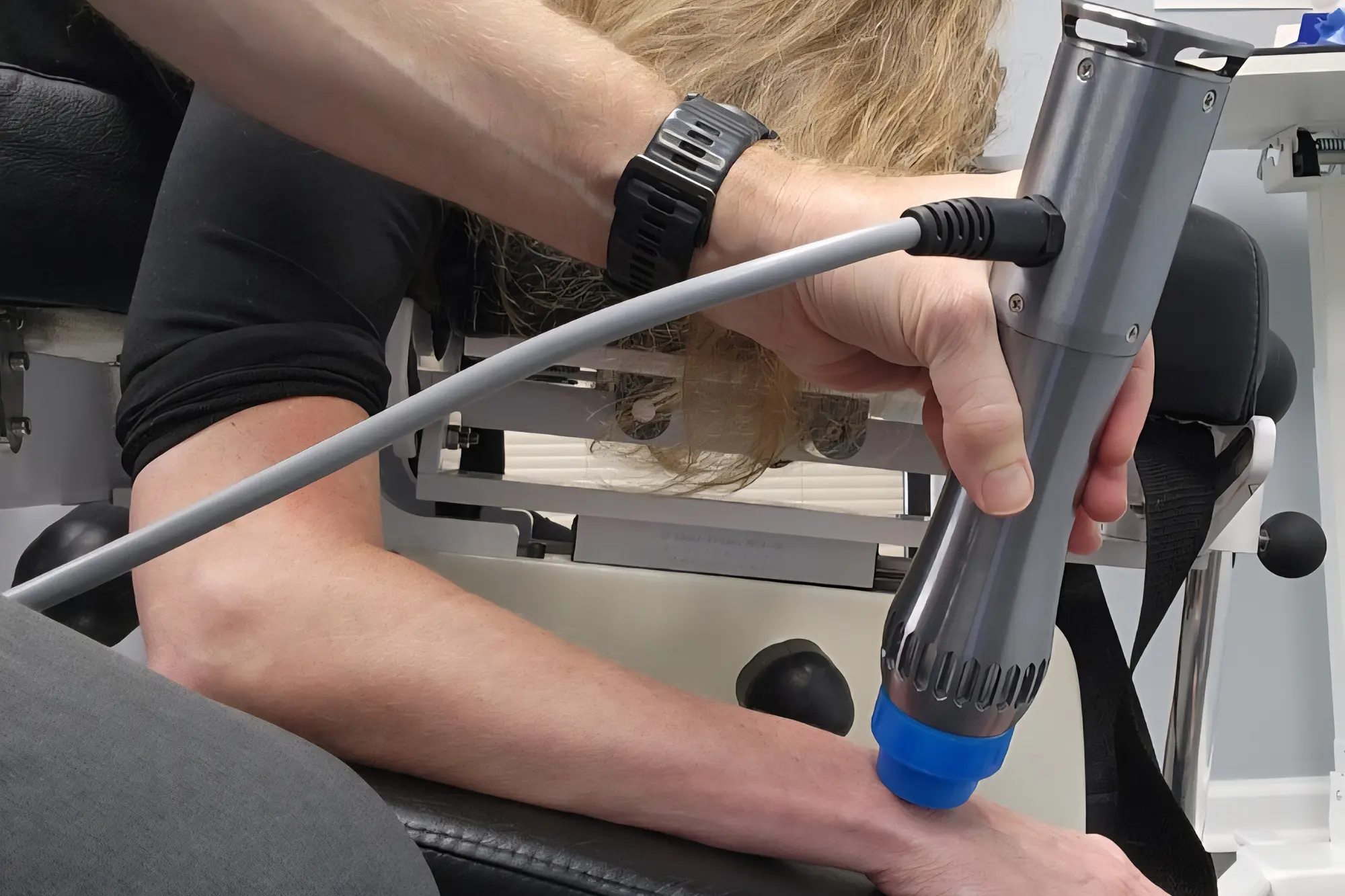
Extracorporeal or Focal Shockwave Therapy is an advanced, non-invasive treatment that accelerates healing and tissue regeneration in bones, tendons, ligaments, and other soft tissues.